
Walking speed is an underutilized functional marker outside of geriatric assessments. It reflects cardiorespiratory capacity, lower limb strength, and neurological integrity long before any clinical symptoms appear. Measuring and optimizing this walking speed is not merely a wellness recommendation: it is a comprehensive physiological monitoring tool.
Usual walking speed versus laboratory speed: what sensors change
The classic measurement on a corridor or treadmill (6-minute test, 4-meter test) provides a snapshot under controlled conditions. This protocol remains the reference in geriatric scores, but it underestimates daily variability.
Recent studies (Pillonel et al., Journal of Gerontology, 2023) show that usual walking speed captured by accelerometer over several days better predicts the risk of mortality and hospitalization than speed measured in the laboratory. The sensor records slowdowns related to fatigue, terrain, and cognitive interactions, parameters absent from the hospital corridor.
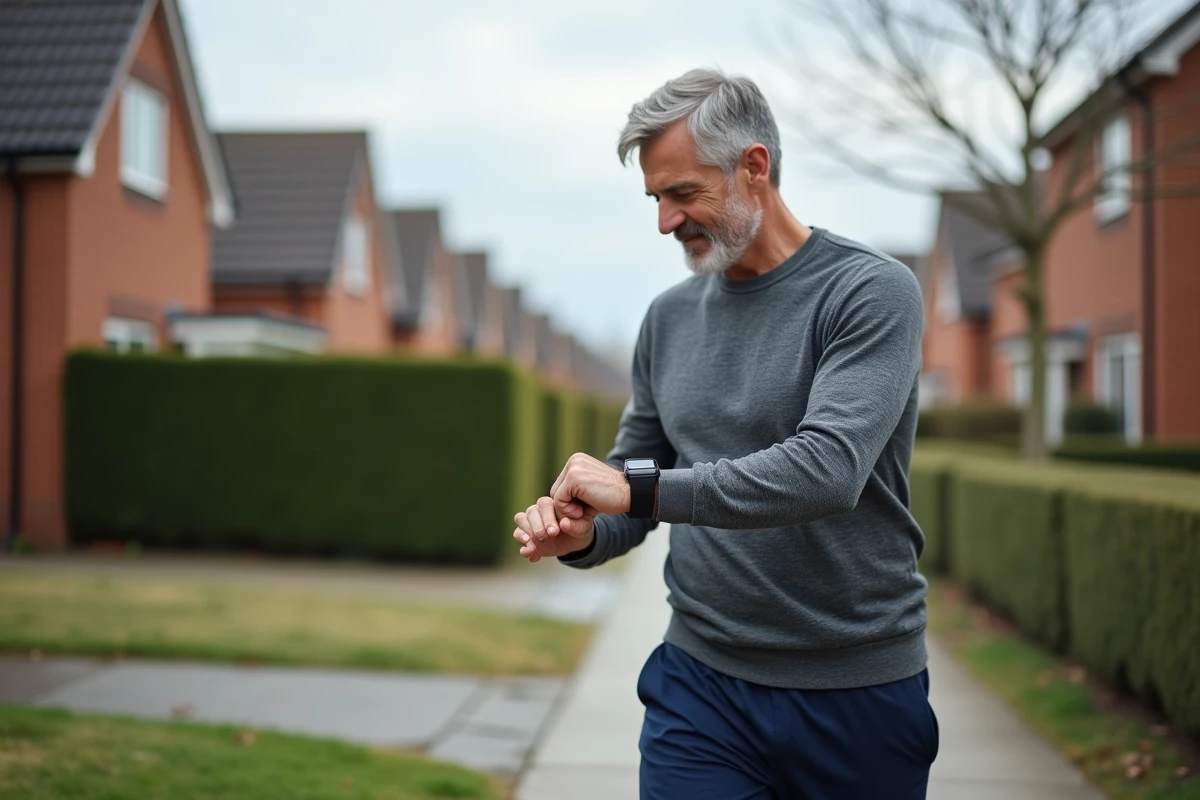
Completing any clinical assessment with outpatient monitoring remains the most reliable approach. A continuously worn smartwatch provides an average pace and day-to-day variations that allow for the detection of a gradual decline in walking speed before it becomes symptomatic.
The approach is simple: note your daily pace, identify trends over several weeks, and consider any regular decline as a functional alert signal. To delve deeper into the link between pace and health, walking speed in km per hour according to Valbreon details the thresholds associated with each level of physical condition.
Walking interval training: effect on aerobic capacity and blood sugar
Walking at a constant pace for thirty or forty minutes improves baseline endurance but quickly reaches a plateau in already active subjects. Alternating slow and fast phases within the same session yields greater gains in aerobic capacity and glycemic control, with the same duration of effort.
Studies published between 2022 and 2023 (Francois and Little, Sports Medicine, 2022) confirm this advantage in adults at risk of diabetes. The typical protocol involves chaining blocks of a few minutes at a sustained pace with active recovery phases at a moderate pace. This session format places greater demands on heart rate and forces the body to modulate its insulin response in real-time.
Structuring weekly sessions
Two to three weekly sessions of walking interval training are sufficient to observe a measurable effect within a few weeks. The rest of the week can be dedicated to walks at a constant pace, which remain beneficial for active recovery and maintaining physical activity volume.
- Typical session: alternate blocks at a fast pace (noticeably accelerated breathing, difficult conversation) and blocks at a moderate pace (conversation possible), for a total duration of thirty to forty minutes
- Progression: first increase the duration of the fast blocks before attempting to speed up the peak pace
- Monitoring indicator: the average heart rate per session should gradually increase over the weeks, indicating a real and not perceived intensity
Dual-tasking and muscle strengthening: neglected levers for walking speed
A walking-only program changes speed only modestly after six to twelve months, particularly in seniors. This finding, documented by several clinical trials (Verghese et al., Neurology, 2021), urges the integration of two components often absent from public training plans.
Strengthening lower limbs
The muscular power of the quadriceps, calves, and glutes determines stride length and propulsion capacity. Targeted exercises (stair climbing, squats, eccentric calf work) improve these parameters more effectively than walking itself. Two strength training sessions per week, even brief, complement sports walking sessions and accelerate speed gains.
Cognitive dual-tasking
Walking while performing mental calculations, naming objects, or following visual cues on the ground engages the attentional circuits that govern automatic walking. This dual-tasking improves usual walking speed and reduces the risk of falls, as it trains the brain to maintain a stable rhythm despite concurrent cognitive load.
In practice, programs combining muscle strengthening and dual-task exercises produce results significantly superior to those obtained through isolated walking, even in individuals whose initial level of physical activity is adequate.
Clinical thresholds for walking speed: interpreting your pace
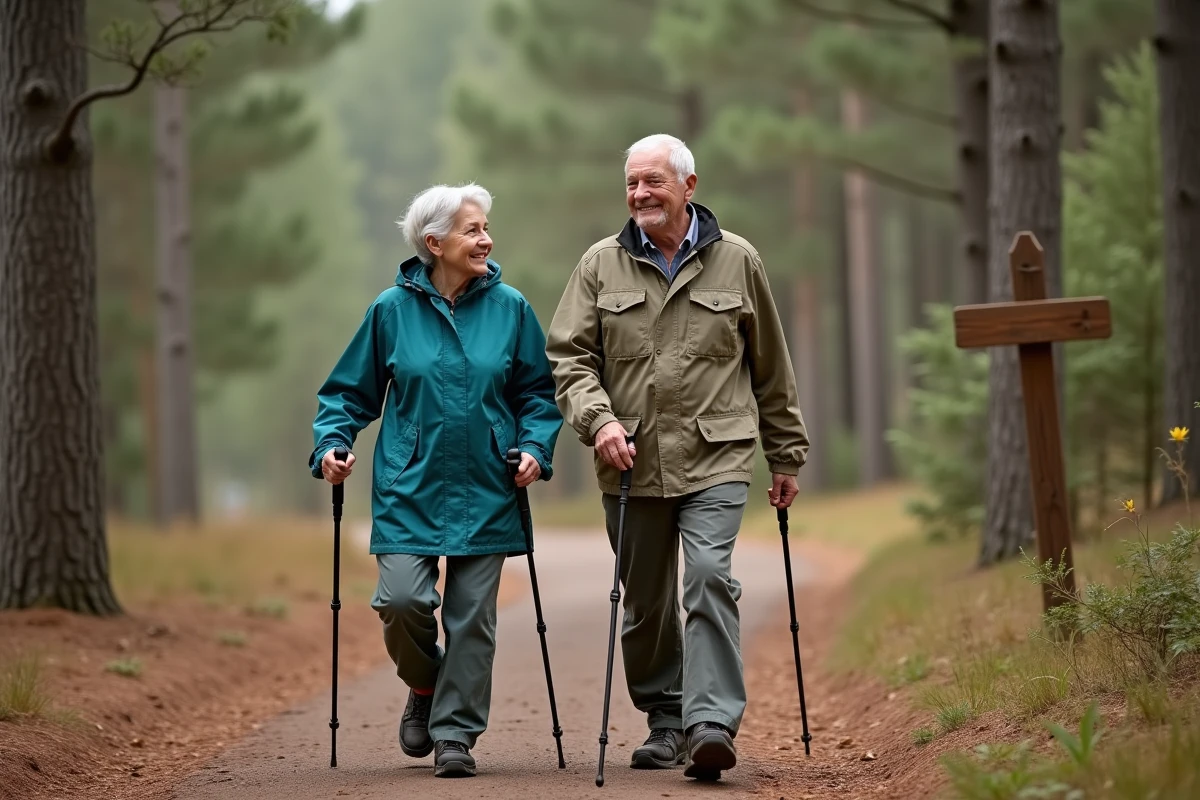
In an adult under sixty, a usually low pace may signal physical deconditioning, a metabolic disorder, or an early neurological issue. Walking speed functions as a cross-sectional “vital sign.”
- Below 0.8 m/s: functional assessment recommended, search for sarcopenia or frailty
- Between 0.8 and 1.0 m/s: intermediate zone, monitoring and improvement program advised
- Above 1.0 m/s: marker associated with better overall health prognosis and longevity
- Above 1.3 m/s: level compatible with good cardiac and muscular condition
Converting these values to km/h helps with daily orientation: 0.8 m/s corresponds to about 2.9 km/h, while 1.2 m/s equals about 4.3 km/h. Most smartwatches display this data directly.
Regularly monitoring your walking pace allows for the detection of functional decline several years before visible limitations appear. Combining this monitoring with structured sessions (interval training, strengthening, dual-tasking) transforms a simple indicator into a concrete lever for health.