Interior decoration in 2026 moves away from static displays and ultra-smooth finishes that dominated the previous decade. Current trends favor livable spaces, materials that age well, and color palettes designed to envelop a room rather than create a momentary photographic effect.
Matte finishes and tactile materials: what replaces high-gloss in home decor
Kitchens and bathrooms with ultra-shiny surfaces, handle-less, black or white reflective finishes posed a concrete problem: permanent fingerprints, micro-scratches visible within the first few months, tedious maintenance. These finishes, very popular in the 2010s, are now considered outdated by decoration professionals.
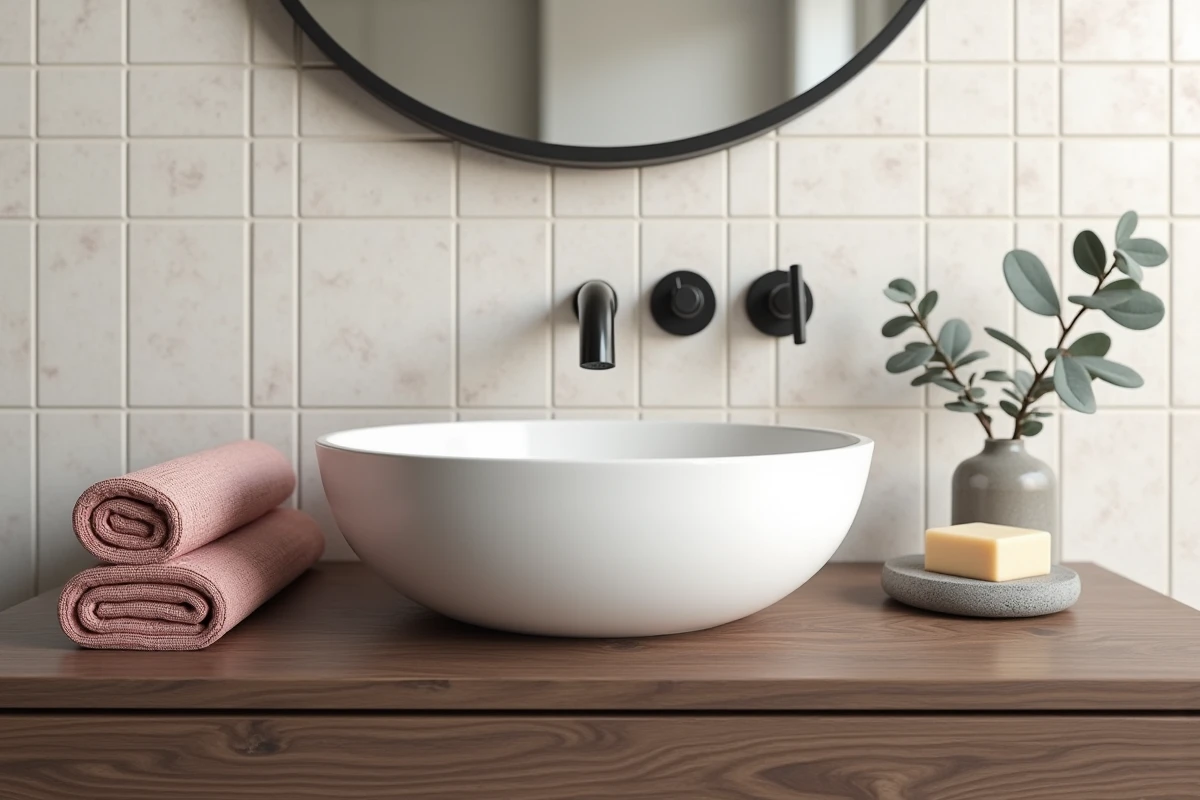
The opposite movement is taking hold. Matte finishes and visible woods now take center stage. The principle: choose materials that embrace their patina over time rather than hide it. An oiled wood countertop, matte tiles with variations in hue, a lime plaster wall that retains the trace of the application gesture.
For those who wish to explore the home on Wow Magazine, these sensory approaches provide a good starting point for rethinking the surfaces of an interior without tearing everything apart.
This preference for tactile materials also reflects a logic of sustainability. A lightly brushed solid oak piece of furniture does not reveal every scratch as a lacquered panel would. A material that embraces its patina visually lasts longer than a surface that demands perfection.
Enveloping palette: the end of the isolated accent wall in the living room
The accent wall, that unique wall painted in a dark color in the middle of a white room, has dominated decor advice for years. In 2026, this approach is explicitly marked as outdated by several professional sources, including RE/MAX Québec in its trend report.
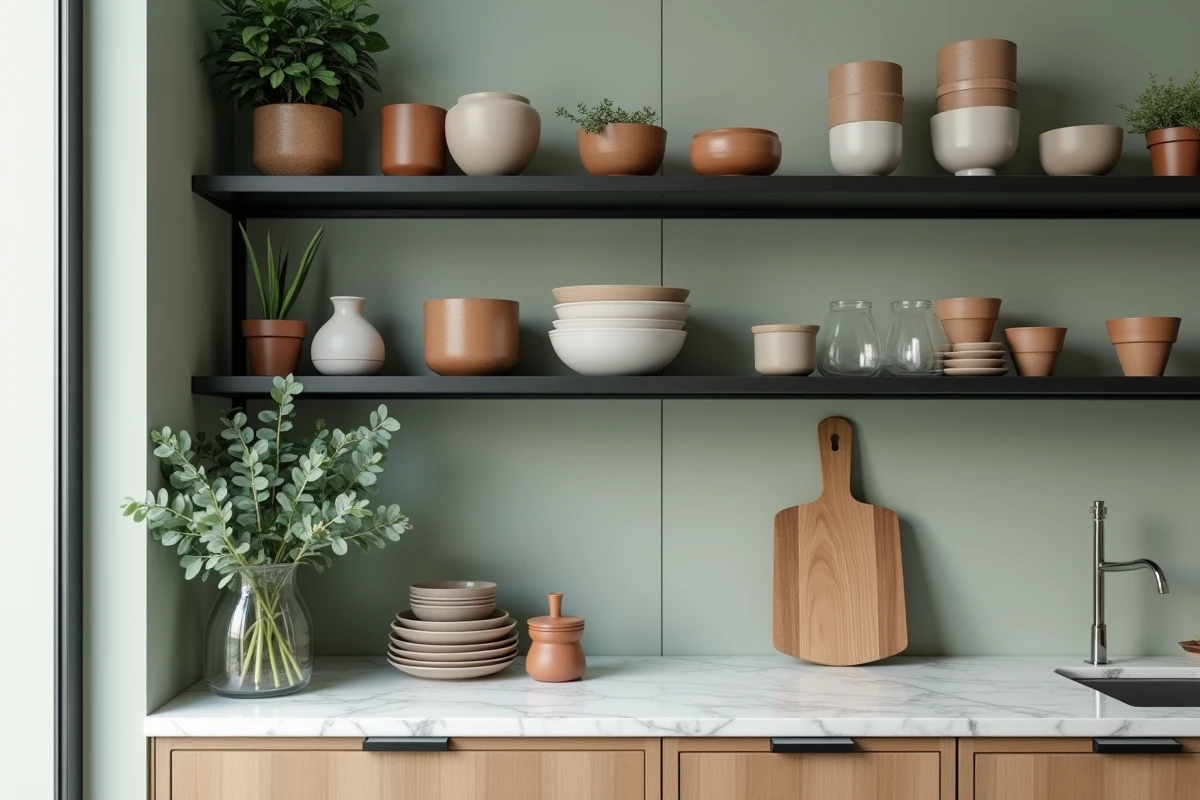
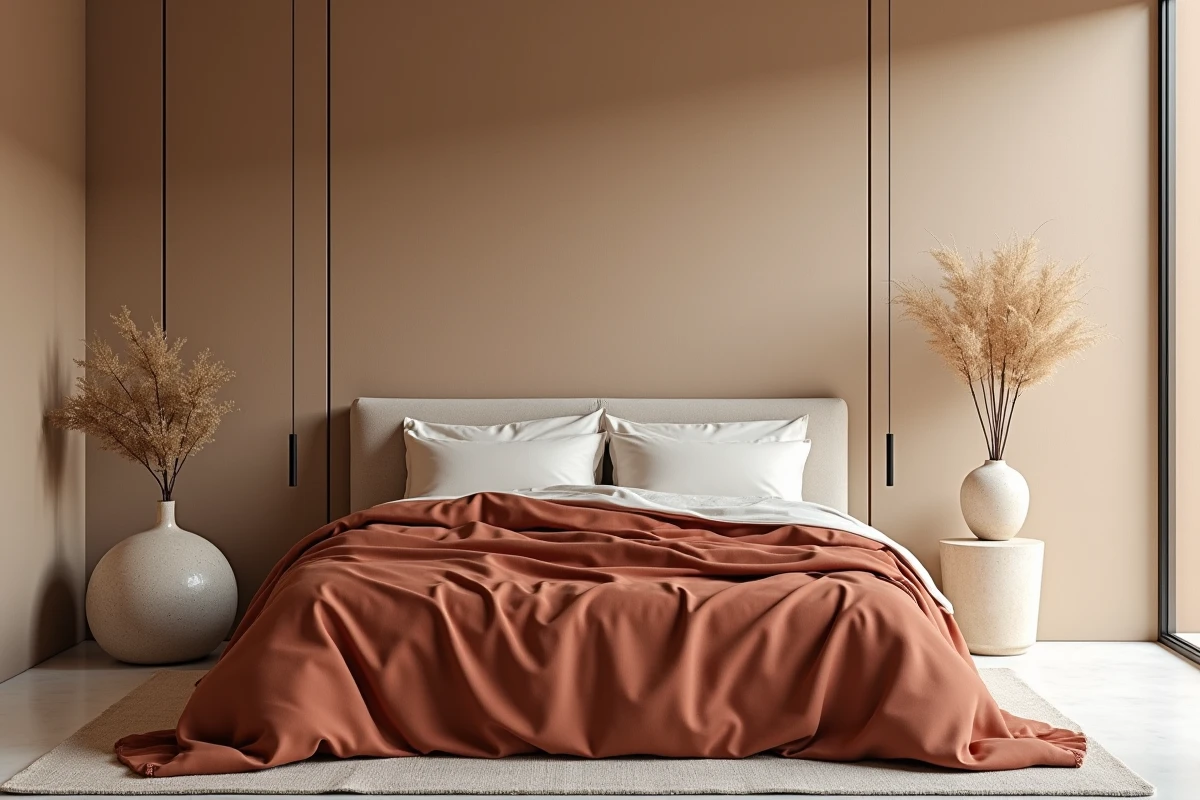
The replacement is not about painting everything in a single uniform shade. The idea is based on subtle variations of the same color applied to the walls, ceiling, and sometimes the woodwork. The result: an immersive and cohesive atmosphere, without an artificial focal point.
How to build an enveloping palette
- Choose a base shade (a sage green, a soft terracotta, a gray-blue) and develop two to three close shades for the different surfaces of the room
- Apply the lightest shade to the ceiling, the most intense on the wall farthest from the natural light source, and the intermediate shade on the remaining walls
- Treat the woodwork (baseboards, door frames) in the same color family rather than defaulting to white, which eliminates visual breaks
This technique works particularly well in modest-sized rooms. A living room or bedroom with continuous tones appears more spacious than a room where a dark wall creates a sharp visual boundary.
Less scripted interior decoration: favoring scalability
Highly themed interiors, designed like magazine sets, pose a practical problem rarely addressed: they become outdated all at once. When the dominant style changes, everything must be replaced simultaneously. The cost and waste are considerable.
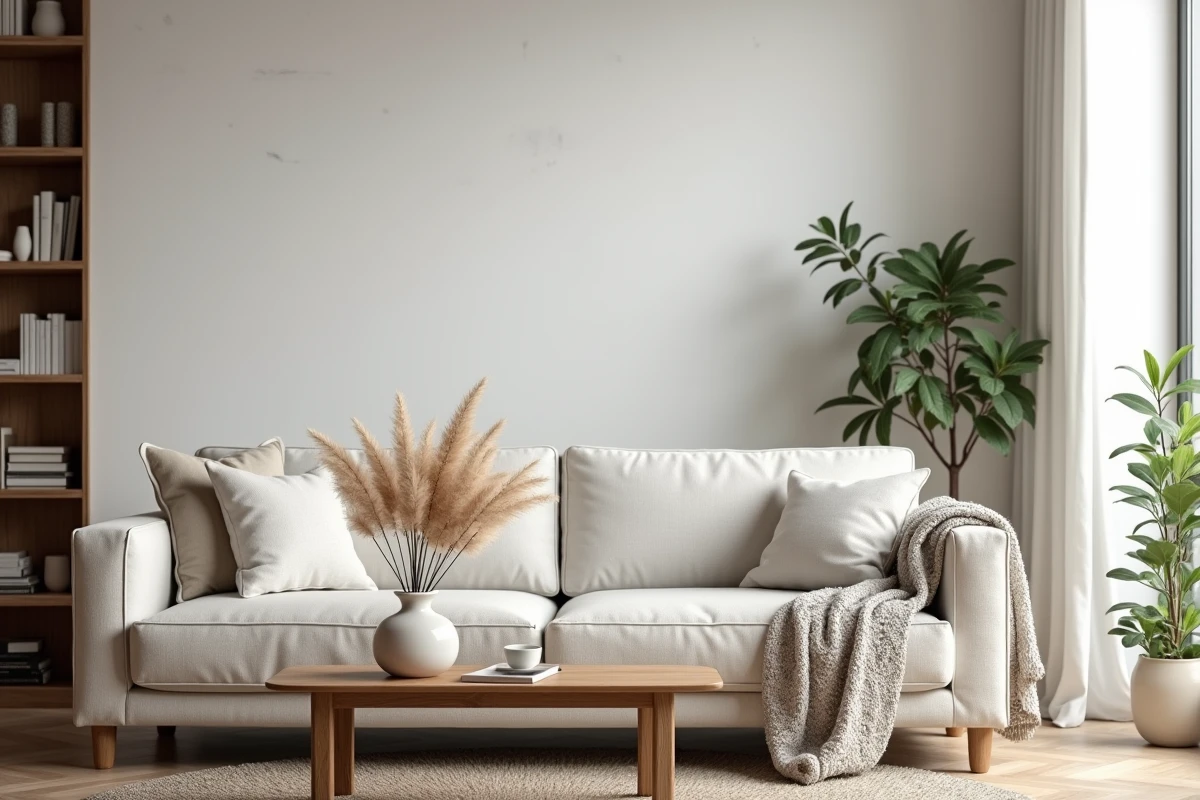
The 2026 trend moves towards neutral and durable bases on which occasional elements (textiles, lighting, objects) can be replaced without questioning the whole. A durable fabric sofa in a sober color remains relevant for years. Cushions, rugs, and accessories bring the seasonal touch or the current personality.
Furniture and objects: betting on longevity rather than style
The selection criterion is changing. Instead of looking for a piece of furniture that perfectly matches a moment’s aesthetic, choose pieces whose form and material transcend trends. A solid wood sideboard with simple lines works equally well in a minimalist interior as in a more ornate decor.
Decorative accessories then play the role of temporary style markers. A handmade ceramic vase, a textured wool throw, a rattan light fixture: these elements are cheaper to replace than a sofa or flooring.
Trending colors 2026: which shades for which space
Cold and saturated colors (wall-to-wall anthracite gray, deep night blue) are giving way. Current palettes are leaning towards warmer and earthier tones, adaptable according to the function of each room.
- For the living room, soft greens (sage, almond, celadon) create a soothing atmosphere without darkening the space
- In the bedroom, powdery shades (old rose, rosy beige, warm off-white) promote an environment conducive to rest
- In the kitchen, ochres and terracottas bring warmth without competing with the natural materials of the countertop or floor
- For the bathroom, creamy whites paired with touches of olive green replace the long-dominant black and white duo
Earthy shades and soft greens dominate the 2026 palette because they work well with raw materials (wood, stone, linen) that define current interiors. They absorb natural light well and do not create harsh contrasts with the furniture.
The common thread of these decor trends can be summed up in one word: coherence. Matte surfaces extend the logic of natural materials. Enveloping palettes unify the space instead of fragmenting it. Neutral bases allow for the evolution of an interior without reconstruction. Home decoration in 2026 is more akin to a continuous process than a one-off project with a spectacular effect.