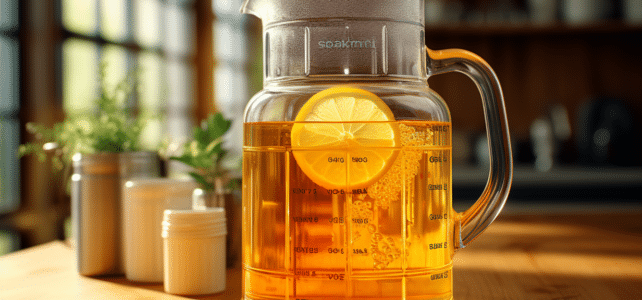
In the world of cooking, science, or even in daily life, converting between milliliters and liters is a fundamental skill. It’s a simple yet essential process for following recipes, conducting experiments, or managing dosages. Liquid measurements are often indicated in milliliters for small quantities, while liters are used for larger volumes. Understanding how to accurately convert from one to the other helps avoid mistakes that could compromise the final result of a culinary preparation or the outcome of an experimental protocol.
Understanding Liquid Measurement Units: From Milliliters to Liters
The measurement of liquid volume relies on units such as the liter (L), centiliter (cL), and milliliter (mL). These units, although belonging to the same metric system, are used in different contexts depending on the amount of liquid to be measured. The milliliter is practical for minimal quantities, while the liter is suitable for larger volumes. The system is designed to facilitate conversion between these units, based on precise conversion factors: 1 liter equals 1000 milliliters and 100 centiliters.
Converting milliliters to liters or vice versa is not a daunting task if one masters the decimal point shift method. For example, to convert 400 ml to liters, simply move the decimal point three positions to the left, giving us 0.4 liters. This operation assumes a density equivalent to that of water, but note that the specific density of other liquids must be considered for an accurate mass conversion.
The relationship between centiliters and milliliters is also established through a simple conversion: one centiliter represents ten milliliters. Thus, converting milliliters to centiliters requires a simple decimal point shift one position to the left. Specifically, 20 milliliters becomes 2 centiliters. Such ease in manipulating volume measurement units is fundamental for professionals and amateurs across various fields, from gastronomy to chemistry, and medicine.
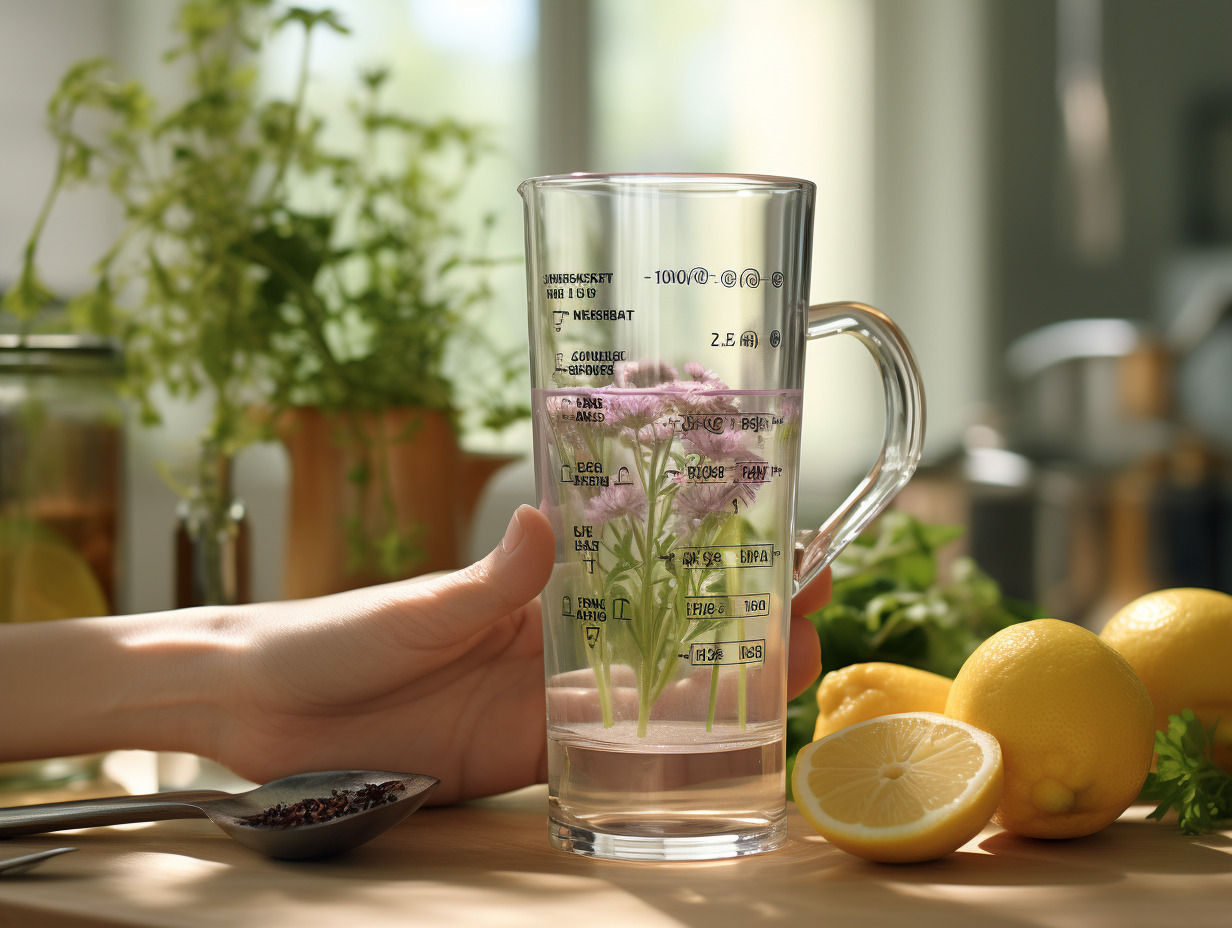
Practical Guide to Converting Milliliters to Liters
Master the process of converting milliliters to liters using simple and effective methods. The decimal point shift remains the most accessible procedure for making this transformation. Remember that moving the decimal point three positions to the left converts milliliters to liters. 250 milliliters converts to 0.25 liters by simply shifting the decimal point.
For those seeking visual aids, a conversion chart provides a quick reference and can be displayed in strategic locations such as restaurant kitchens or laboratories. These charts synthesize multiple conversions between units, allowing for quick consultation when preparing recipes or conducting scientific experiments.
Modern technology provides tools to facilitate these operations. Online tools and mobile applications offer intuitive converters, often free, that automate conversions and eliminate calculation errors. For immediate conversions, the calculator, always at hand, effectively serves to perform precise volume conversion calculations. These technological resources are essential for both professionals and amateurs, ensuring accuracy and time-saving in their daily activities.