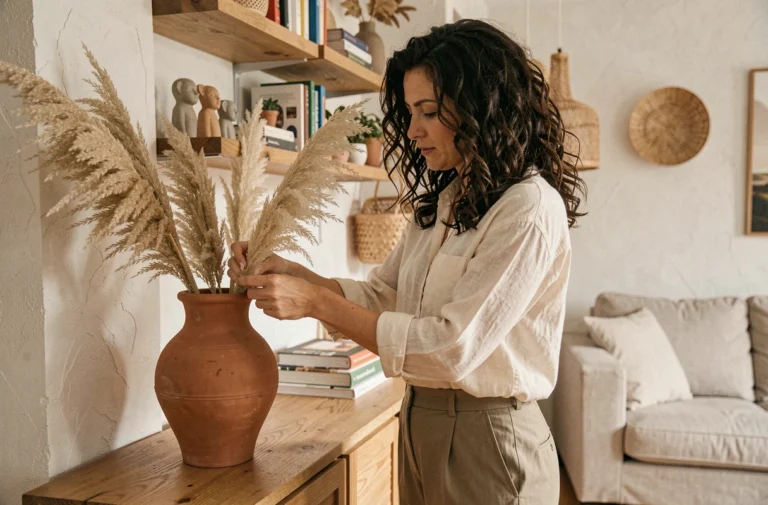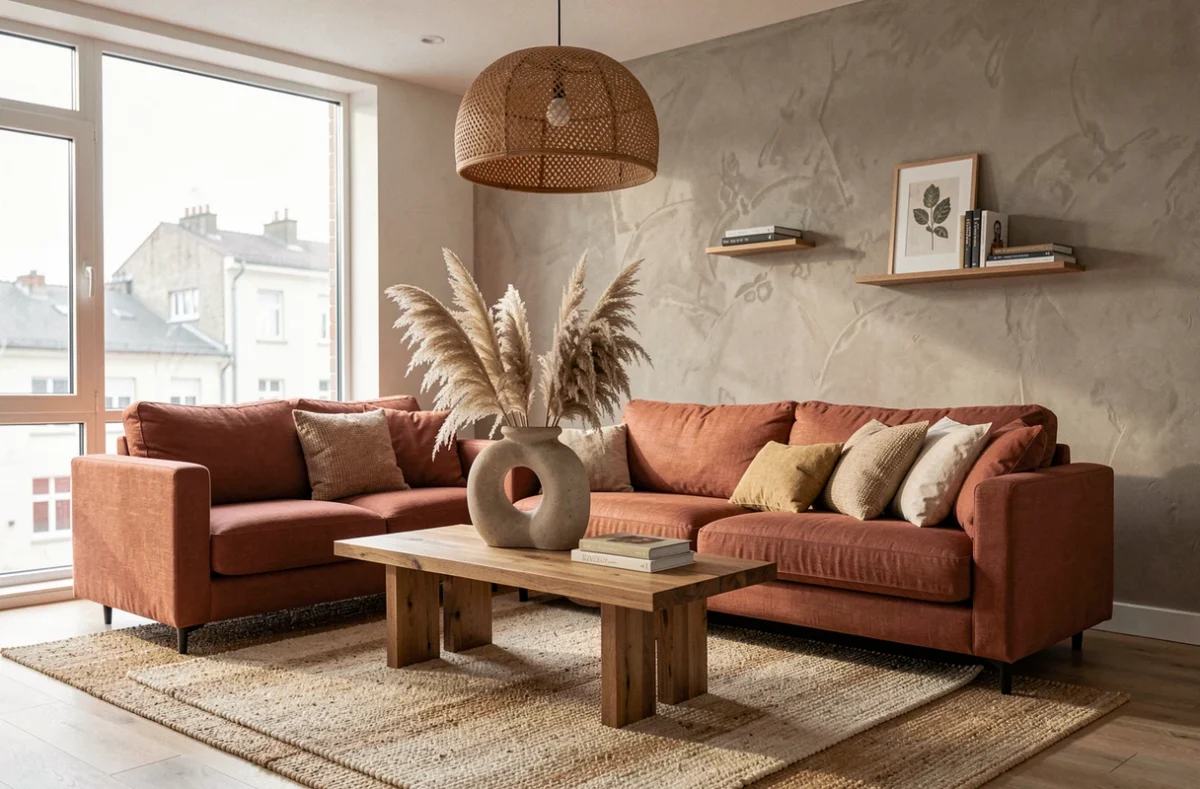
Earthy palettes and raw materials have dominated home décor articles for the past two years. This year’s real question lies elsewhere: how to refresh an interior without replacing everything, while taking indoor air quality, the compliance of reused materials and household budgets into account.
Emissions labels and choosing decorative finishes
The classification of volatile substance emissions, from A+ (very low emissions) to C, applies to paints, varnishes, adhesives and certain floor and wall coverings. So if you want to change the look of a room with color or wall texture, start by checking the label—not the color chart.
An A+-rated clay-effect matte paint and an A+-rated bio-based varnish can transform a room without compromising indoor air quality. Combined with adequate ventilation, these products make it possible to repaint a living room or bedroom while the home is occupied, without needing an extended airing-out period.
Mineral-effect finishes (limewash, tadelakt, stucco) are making a comeback in interiors. Their appeal goes beyond aesthetics: lime-based plasters naturally regulate humidity and generally have low emissions. For the latest trends and news from Belle Déco, this combination of health performance and visual appeal is becoming a selection criterion in its own right.
Decorative reuse: check compliance and insurance before aesthetics
Scouring antique shops for old parquet flooring, salvaging cement tiles or reusing old joinery are among this year’s most celebrated decorating choices. But the conversation often overlooks a technical point: the performance of a second-hand material must be checked for its new use.
For example, a salvaged cement tile may not be as frost-resistant as a new certified product, ruling it out for certain installations in sunrooms or covered patios.
Warranty and insurance requirements
A contractor who installs a reused material is liable for their work. Their insurer may require the batch to be traceable or refuse coverage if the product has not undergone a preliminary assessment. Before buying a batch of terracotta floor tiles on a classifieds site, the question to ask isn’t “Does it look nice?” but “Will my installer agree to lay it?”
European Regulation 2024/3110, which is gradually replacing the previous framework, strengthens requirements for information on construction products, including durability and environmental impact, and paves the way for a digital passport for materials. These obligations primarily apply to professionals, but they will gradually make products easier to trace, including those intended for reuse.
Refresh a room without replacing existing furniture
Replacing a sofa or dining table can be expensive and creates bulky waste. Several simple changes can dramatically alter how a space feels without touching the main furniture.
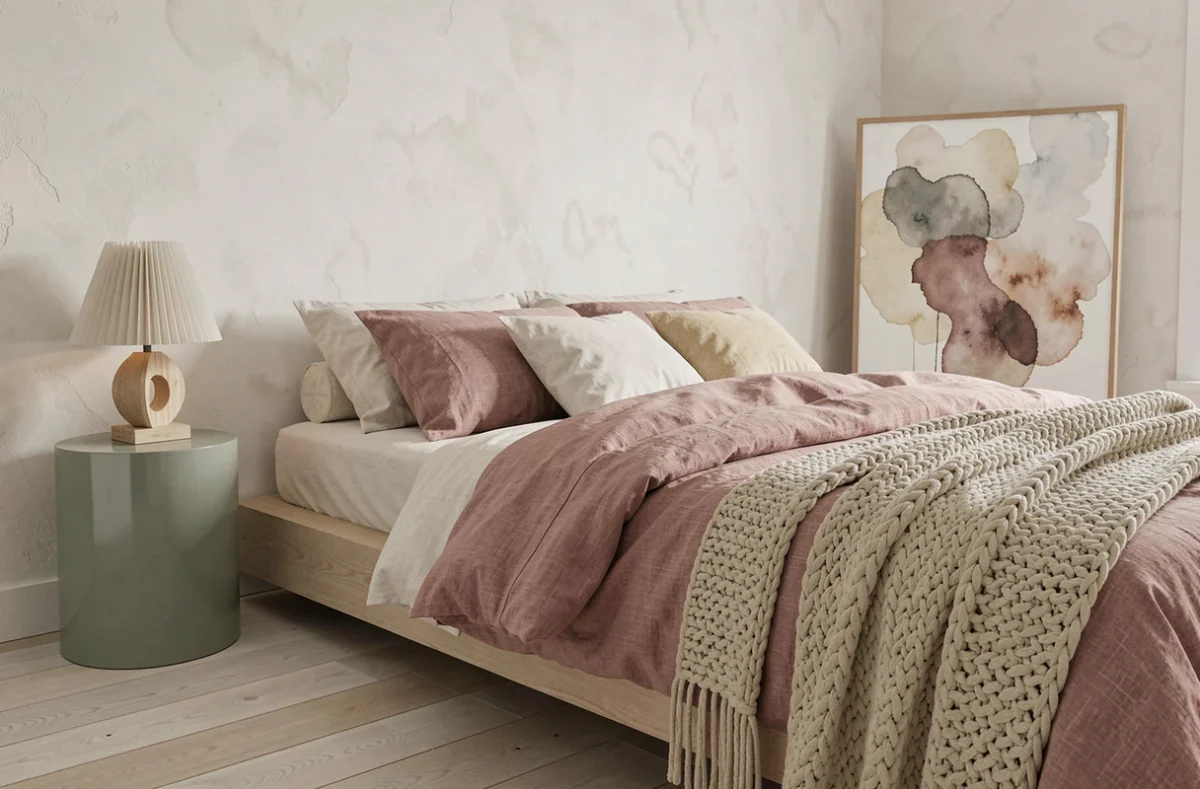
- Changeable textiles: washed-linen cushion covers, chunky-knit throws and sheer cotton curtains. Updating a room’s textile palette costs a fraction of the price of a piece of furniture and takes half a day.
- Accent lighting: a rattan pendant above an existing table or a ceramic table lamp on an antique sideboard. Lighting changes the mood faster than any piece of furniture.
- Low-impact wall décor: mirrors, raw-wood frames and open shelving. These add structure to a wall without major work and can easily be moved from one room to another.
Color palettes and materials that work with existing furniture
Earthy tones (clay, sand, terracotta) remain dominant this year, for a practical reason: they pair well with most light and dark wood already found in French homes. A basic gray sofa takes on a whole new look with terracotta cushions and a honey-colored throw.
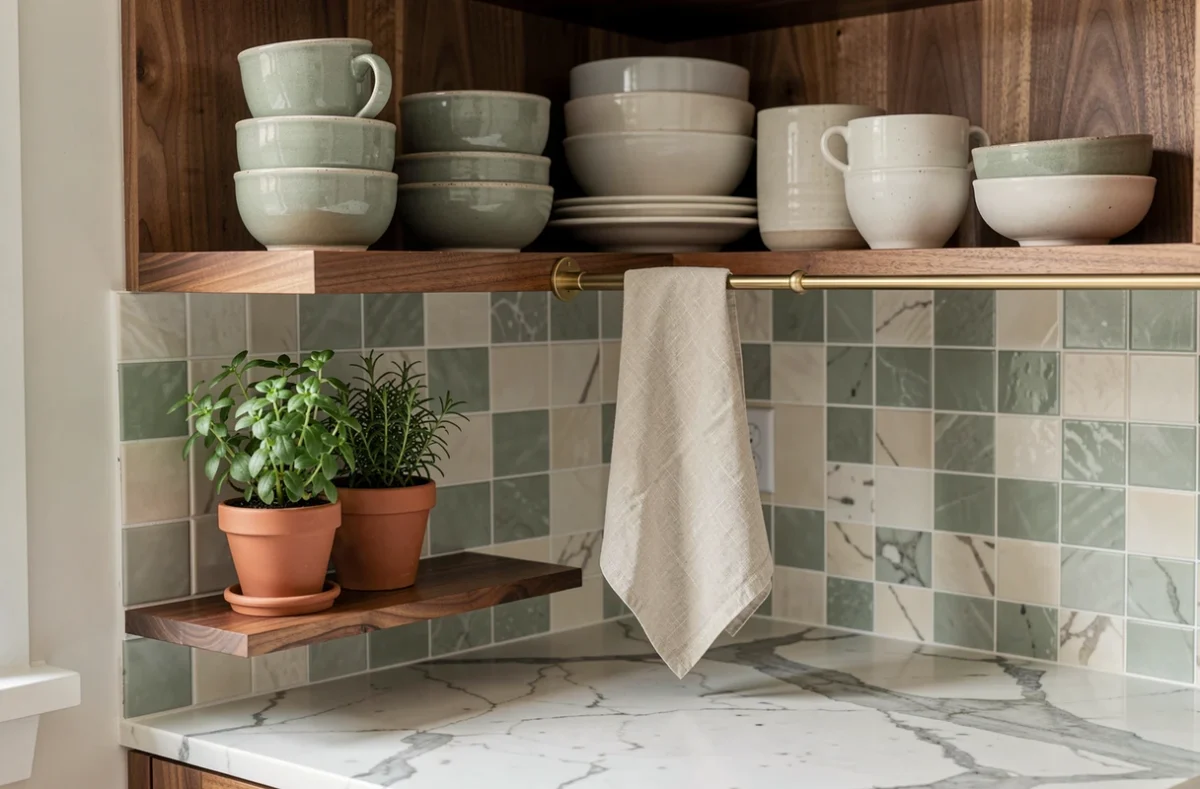
Deep greens (sage, olive, forest) are also gaining ground, driven by the biophilic design trend. We’ve found that green works just as well in textiles as it does on walls, as long as you use it sparingly: a single accent wall is enough to anchor the color without overwhelming the room.
Pinterest Predicts FunHaus: what the data actually tells us
Pinterest Predicts 2026 highlights the “FunHaus” aesthetic, inspired by vintage circuses: saturated colors, stripes and exuberant shapes. The report is based on an increase in searches for “circus interior” during its observation period.
This kind of signal measures online interest, not actual adoption in people’s homes. Bringing “FunHaus” into an existing interior means adding one or two statement pieces (a scalloped mirror, a two-tone vase or a graphic light fixture), rather than repainting everything yellow and red.
The mistake would be to confuse a search trend with a lasting shift. Earthy palettes, natural materials and reuse reflect a structural change in how people decorate. Vintage circus style, by contrast, is a temporary decorative accent that should be used sparingly to avoid making an interior look dated within a few months.
The best décor update this year doesn’t require a big budget or a complete overhaul. It comes down to three practical choices: check the health-related labels on every finish, insist on traceability for reused materials, and focus spending on textiles and lighting rather than furniture. It may be less dramatic than a total makeover, but it’s what lasts.