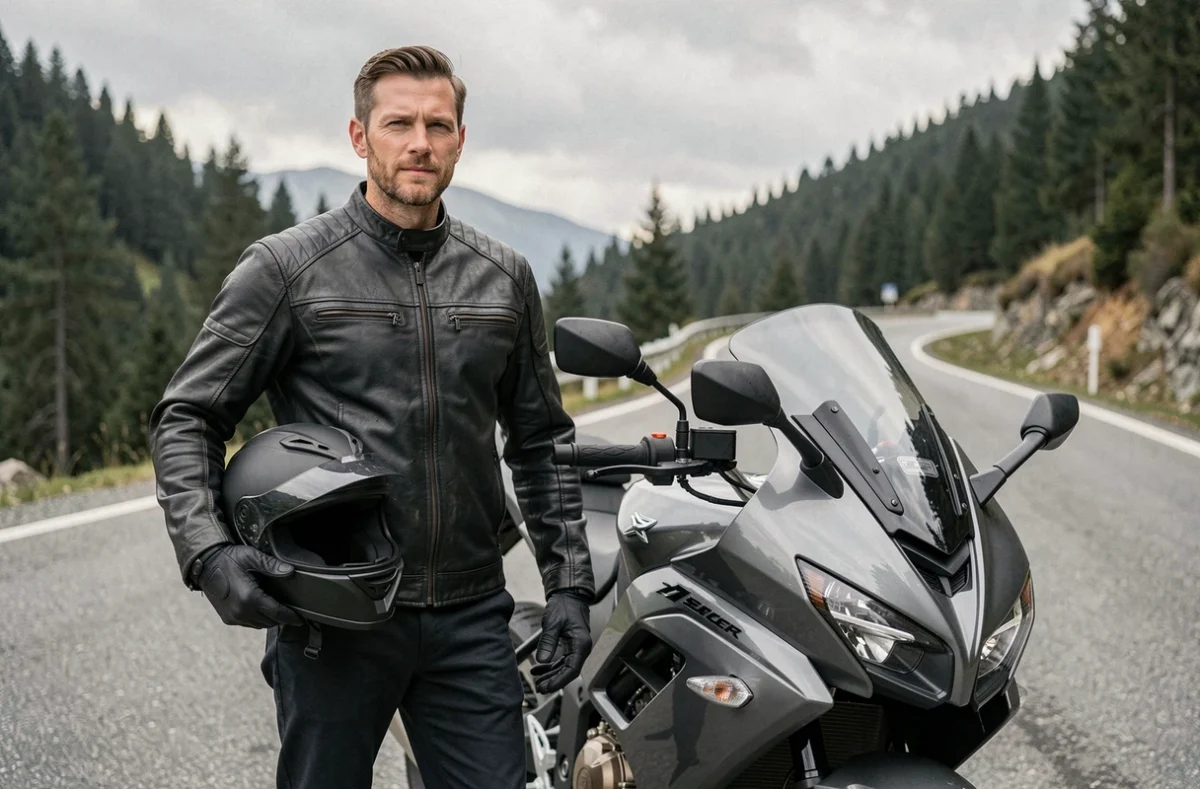
Riding a motorcycle means accepting a paradox: the thrill of riding comes with constraints that other vehicles don’t impose. More frequent maintenance, protective gear to budget for, and a growing list of regulations since mandatory roadworthiness testing was introduced for motorcycles and other two-wheelers. Motorcycling isn’t a one-size-fits-all passion. It’s shaped by practical choices that determine the comfort, safety and cost of every ride.
Motorcycle roadworthiness testing: a phased schedule to know
Since its introduction, roadworthiness testing for motorized two-wheelers has been rolled out in phases. Motorcycles registered in 2017, 2018 or 2019 had to undergo their first inspection in 2025. Motorcycles registered in 2020 and 2021 are due in 2026, within four months of the anniversary of their first registration date, and no later than December 31, 2026.
For vehicles registered from 2022 onward, the first inspection must take place within the six months before the fifth anniversary of their first registration date. In practice, every owner should check the date on their registration certificate to avoid missing the deadline.
This requirement adds to routine maintenance tasks such as oil changes, brake pad replacement, chain tensioning and tire wear checks. For those who ride every day, it’s an additional expense to factor in from the moment they buy their motorcycle.
Online resources offer updates on regulations and technical advice for motorcyclists, including https://www.motor-xclub.com, which brings together content for two-wheel enthusiasts.
Mandatory and recommended motorcycle gear: two distinct categories
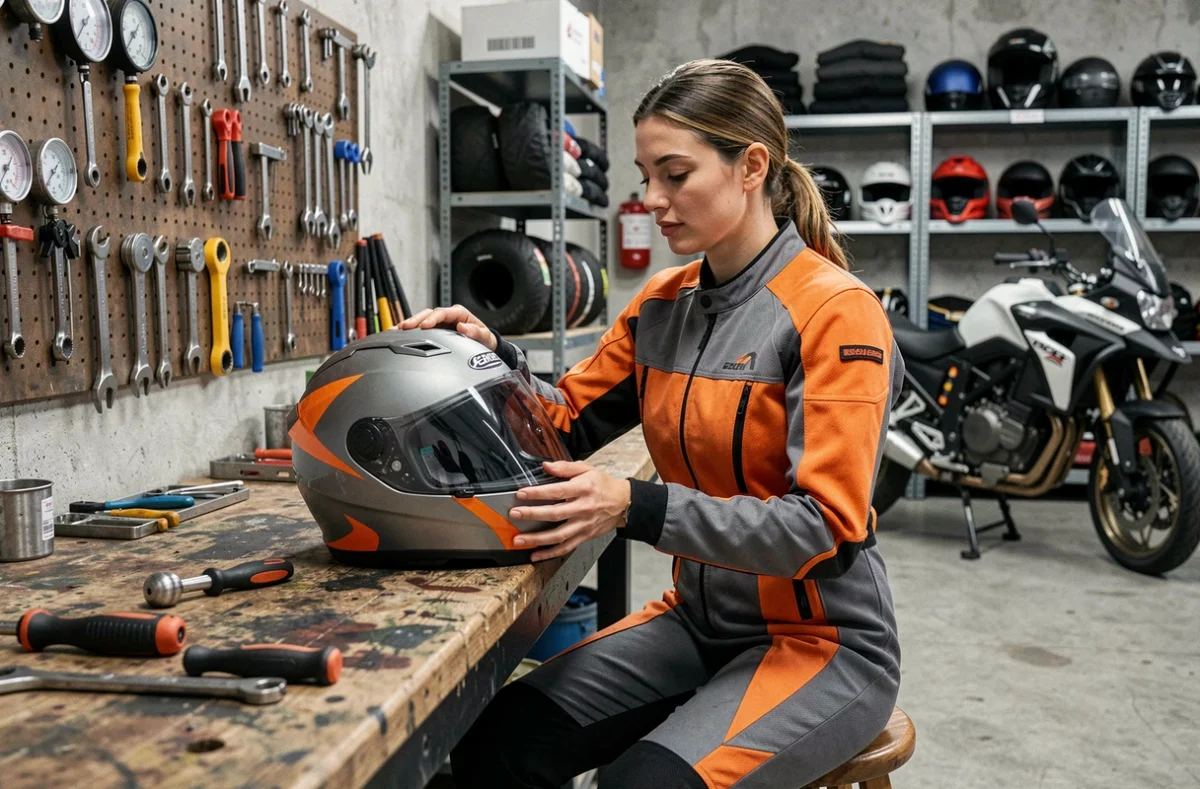
Have you noticed that some motorcyclists ride in jeans and sneakers, while others wear full protective gear? It all comes down to the distinction between what the law requires and what safety guidelines recommend—two things that are often confused.
What the law requires
The French Highway Code (Articles R431-1 and R431-1-2) only requires an approved helmet and CE-certified gloves. Riding without them can result in a fine and penalty points. No other gear is legally required for motorcyclists.
What the EN 17092 standard certifies
The EN 17092 standard applies to protective clothing for motorcyclists, including jackets, trousers and one-piece suits. It assesses abrasion and impact resistance, then classifies each product according to its level of protection.
One important point to understand: this standard certifies product quality; it doesn’t require you to wear the product. The Highway Code does not require you to wear a motorcycle jacket, trousers or boots. European Regulation 2016/425 governs the placing of personal protective equipment on the market, but beyond helmets and gloves, wearing protective gear remains a personal choice.
- CE-certified gloves (mandatory): they protect the hands, which are often the first point of impact in a low-speed fall
- Reinforced, high-top boots (recommended): they cover the ankles and ankle bones, which are highly exposed in a sideways fall
- Back protector or airbag vest (recommended): these reduce impact to the spine and chest
A full set of gear often costs more than several monthly insurance payments. Budgeting for protective gear before buying a motorcycle helps ensure you don’t compromise on protection.
Motorcycle road safety: adapt your riding to real-world risks
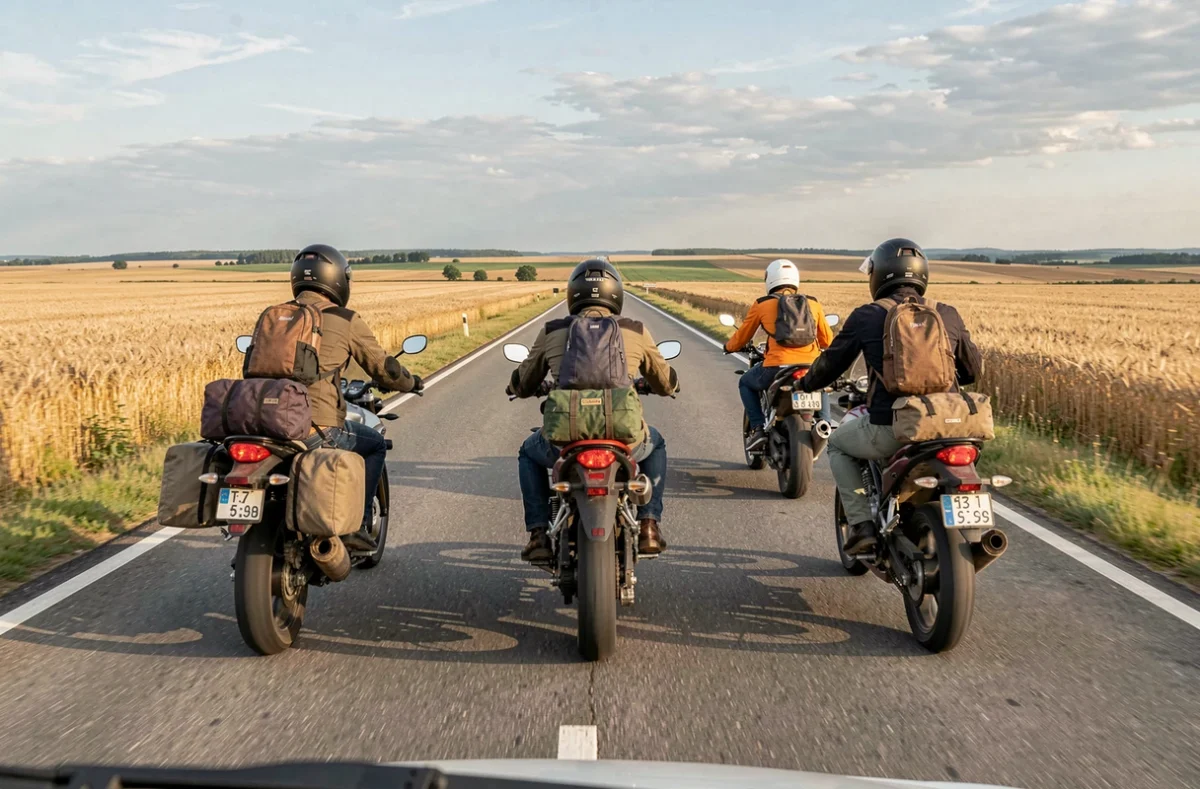
The 2025 report from ONISR (the French National Interministerial Road Safety Observatory) highlights that motorized two-wheelers account for a significant share of deaths and serious injuries, despite making up only a small proportion of traffic. The lack of a protective body shell partly explains this imbalance. Rider behavior and road conditions matter just as much.
Visibility and anticipation
Making yourself visible and anticipating other road users’ movements are the first steps to staying safe. A reflective vest, properly adjusted lights and a visible position in the lane all help reduce the risk of being overlooked by a driver changing lanes or turning without looking.
Choosing your route
Why does route choice matter as much as the way you ride? Taking the same route to work every day can lead to complacency and reduced vigilance. Changing your route from time to time, avoiding areas crowded with roundabouts or parking lot exits, and choosing roads with good visibility are simple decisions that can reduce risk.
Weekend rides bring different challenges: tight bends, uneven road surfaces and fatigue building up toward the end of the day. Planning breaks every two hours helps prevent the loss of concentration that can lead to mistakes when cornering.
Everyday motorcycle costs: expenses not to underestimate
The purchase price reflects only part of the true cost. Insurance rates vary depending on engine size, the rider’s experience and the level of coverage chosen. Motorcycle licensing and additional training also add to the upfront cost.
When it comes to maintenance, some wear parts need replacing more often than on a car. Chains stretch and wear out, motorcycle tires wear down faster, and brake pads reach their limit sooner on sport models.
With roadworthiness testing now part of the schedule, there’s another expense to account for each year. Planning for these costs from the outset is what makes the difference between a relaxed rider and a budget under pressure at the end of the month.
With regulations expanding, gear standards evolving and road safety data shaping best practices, every decision made before turning the key matters just as much as what you do on the road.